BE-IIS HAT++
A structured Raspberry Pi interface platform for combining industrial communication hardware without GPIO and bus conflicts.
Start with the BE-IIS installer
Install a HAT++ system through the BE-IIS installer repository. It is the central, open-source integration path for every supported HAT: it installs the matching Device Tree overlays, driver helpers, udev rules, product configurations and test examples.
Start with Raspberry Pi OS Lite, enable SSH and install Git. Then clone the repository and run the common setup script:
sudo apt update
sudo apt install -y git
git clone https://github.com/be-iis/be-iis-installer
cd be-iis-installer
./scripts/install/install-all.sh
Product pages add the interface-specific configuration and verification steps. Keep the repository on the Raspberry Pi so its scripts and examples remain available as the system grows.
Purpose
BE-IIS HAT++ is a platform concept for Raspberry Pi systems that need more than one industrial interface. It combines hardware identification, predefined resource assignments and Linux integration into a repeatable system architecture.
A HAT++ board is not just an electrical add-on. It has a defined place in a stack and a matching software configuration.
What HAT++ solves
A conventional multi-HAT system quickly reaches practical limits:
- SPI chip selects collide
- Interrupt lines are reused
- I²C addresses are ambiguous
- Device Tree overlays become manual and difficult to maintain
- Linux interface names change between systems
HAT++ addresses these points with predefined instance modes. The hardware and the matching overlay define the SPI chip select, interrupt routing, I²C address and intended system role.
HAT, HAT+ and HAT++
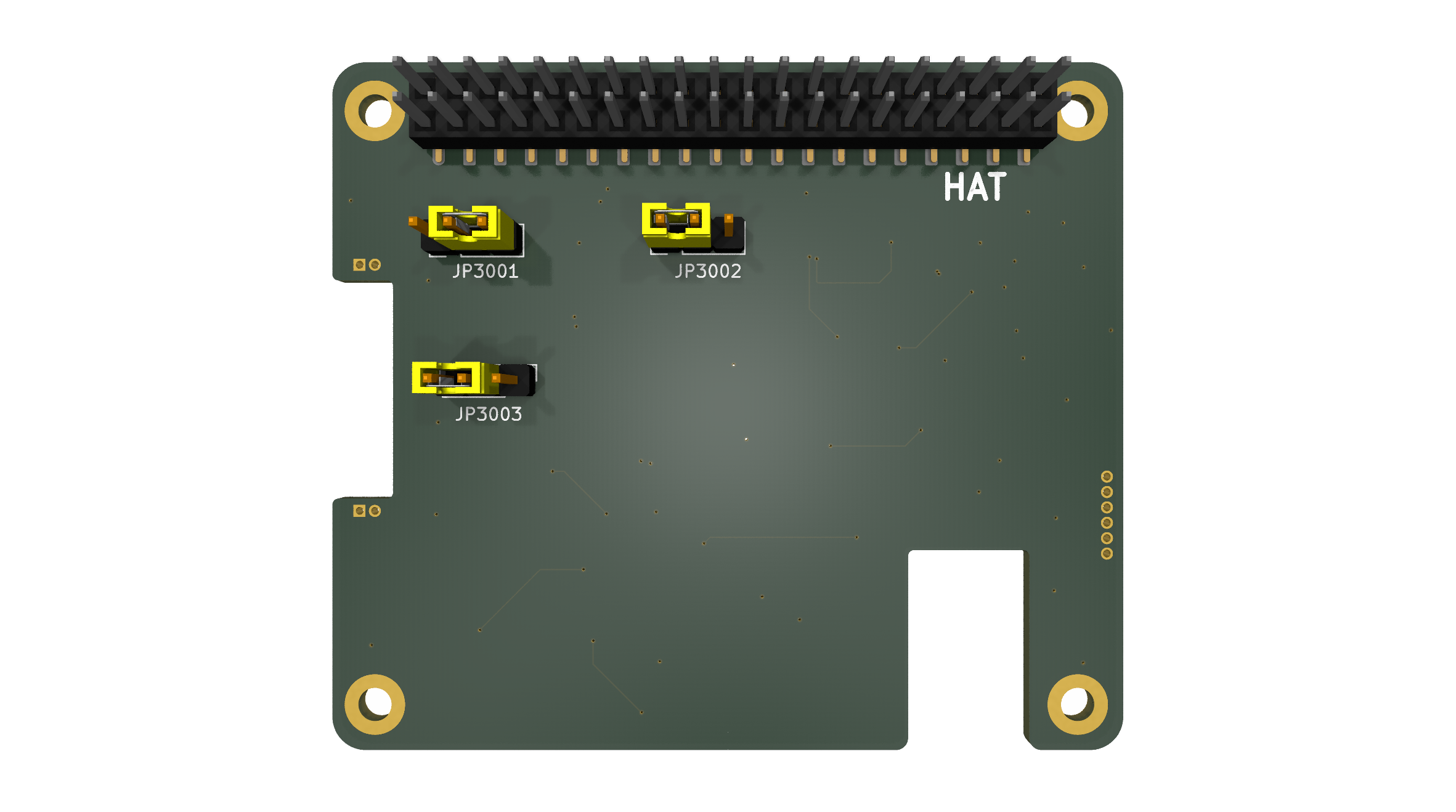
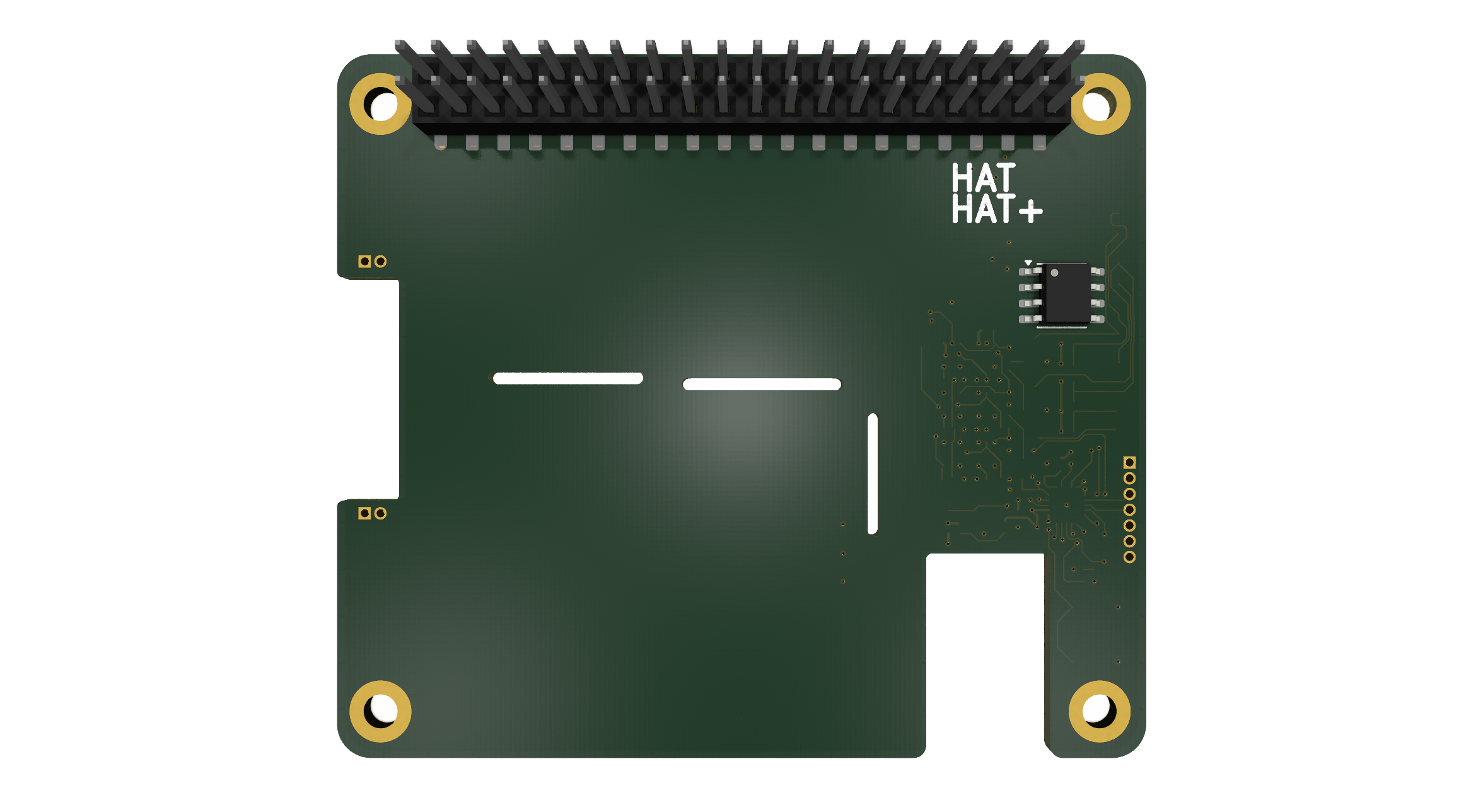
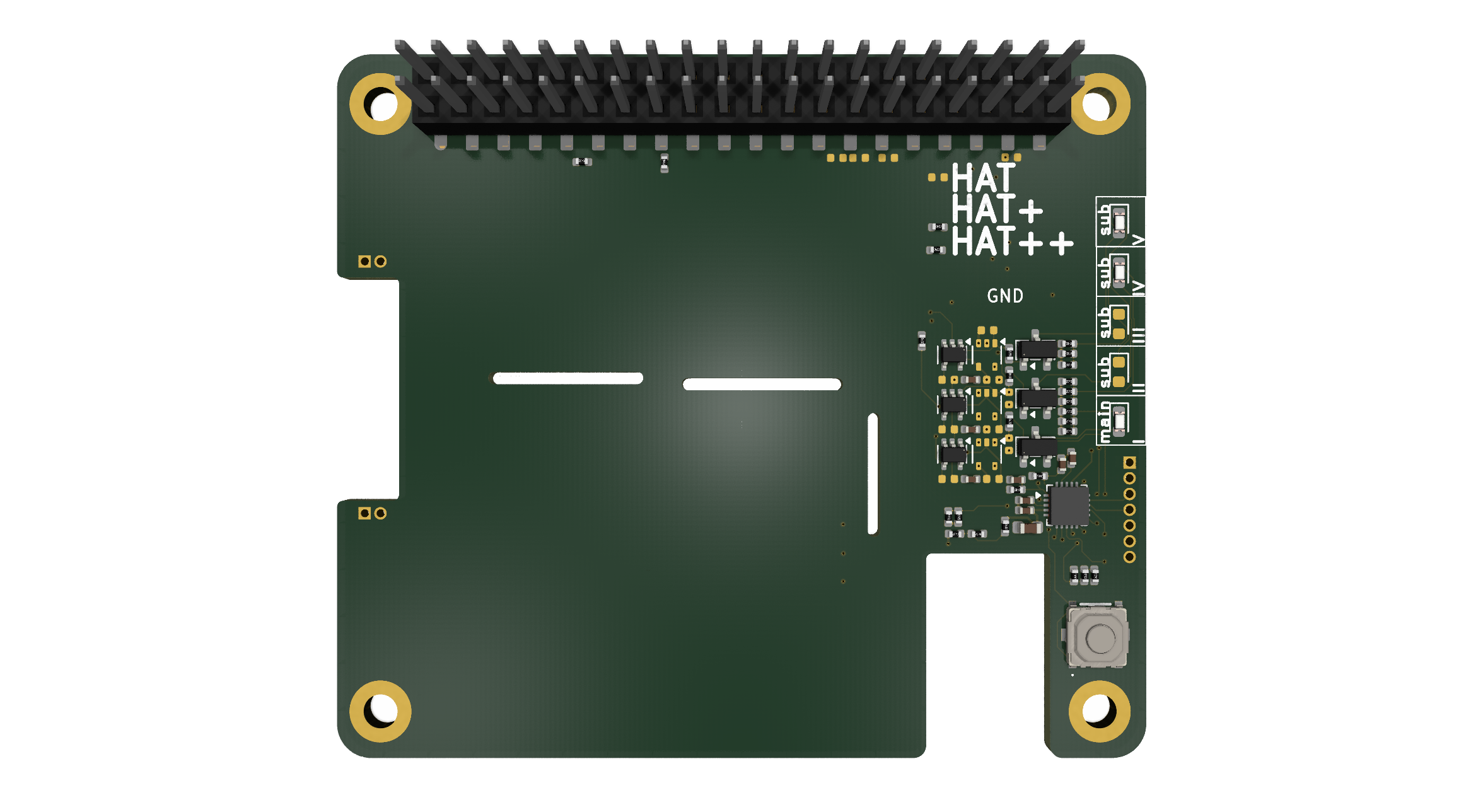
A conventional Raspberry Pi HAT describes one add-on board. HAT+ adds the newer Raspberry Pi identification and compatibility model. BE-IIS HAT++ adds a repeatable integration model for a complete multi-board system: product overlays, defined instance assignment and persistent Linux interface names.
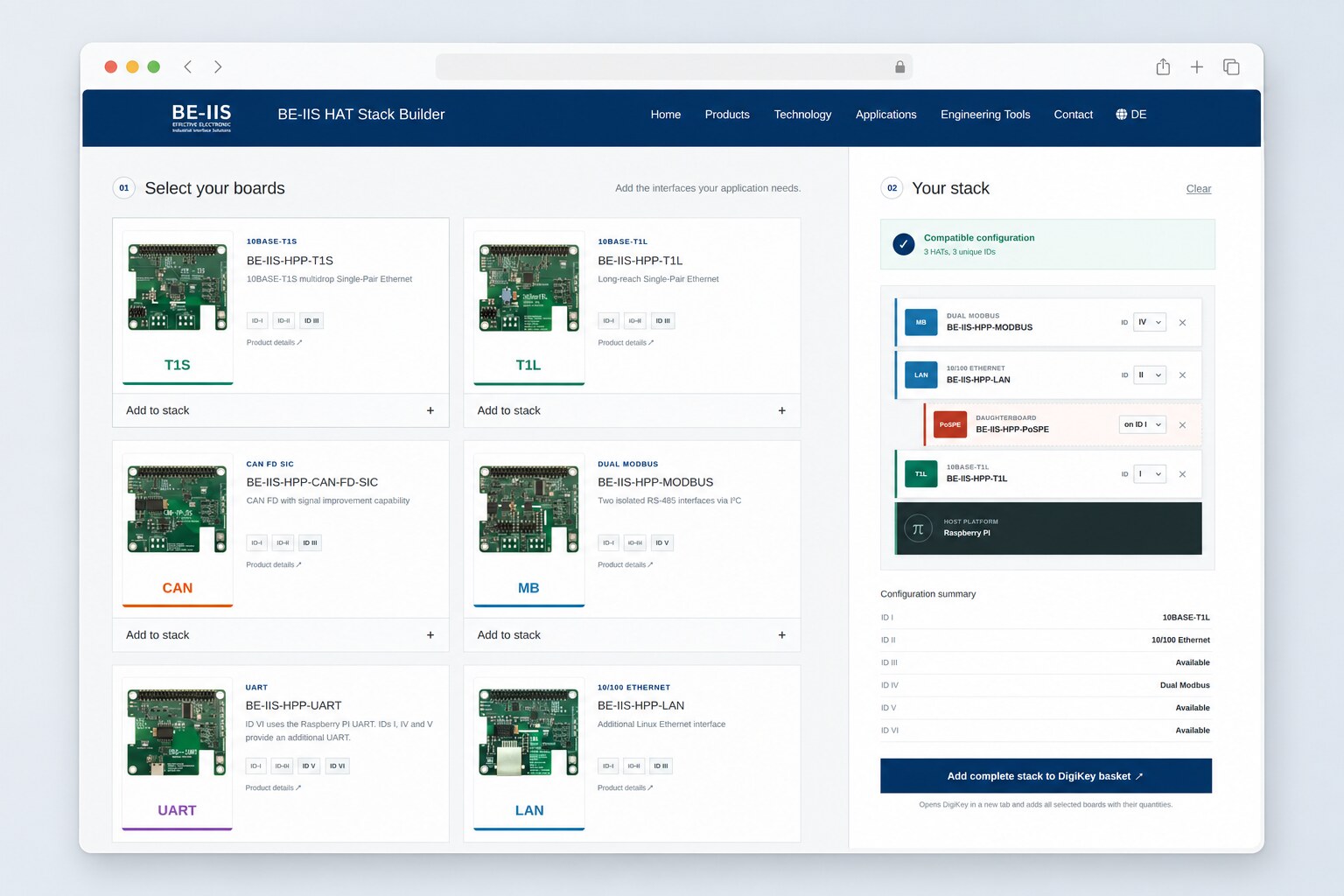
In a HAT++ stack, use instance I for one primary board only. Additional HATs use their available instance II or III configuration, so SPI, interrupt and I²C resources remain unique. The installer applies the matching overlay for each selected configuration.
Linux integration
The installer builds or installs the required overlays and kernel modules, enables the selected HAT configuration and installs stable udev names for supported interfaces.
This keeps the application layer independent of physical SPI numbering. A network application can use a stable BE-IIS interface name instead of relying on the order in which Linux detects devices.
Stackable systems
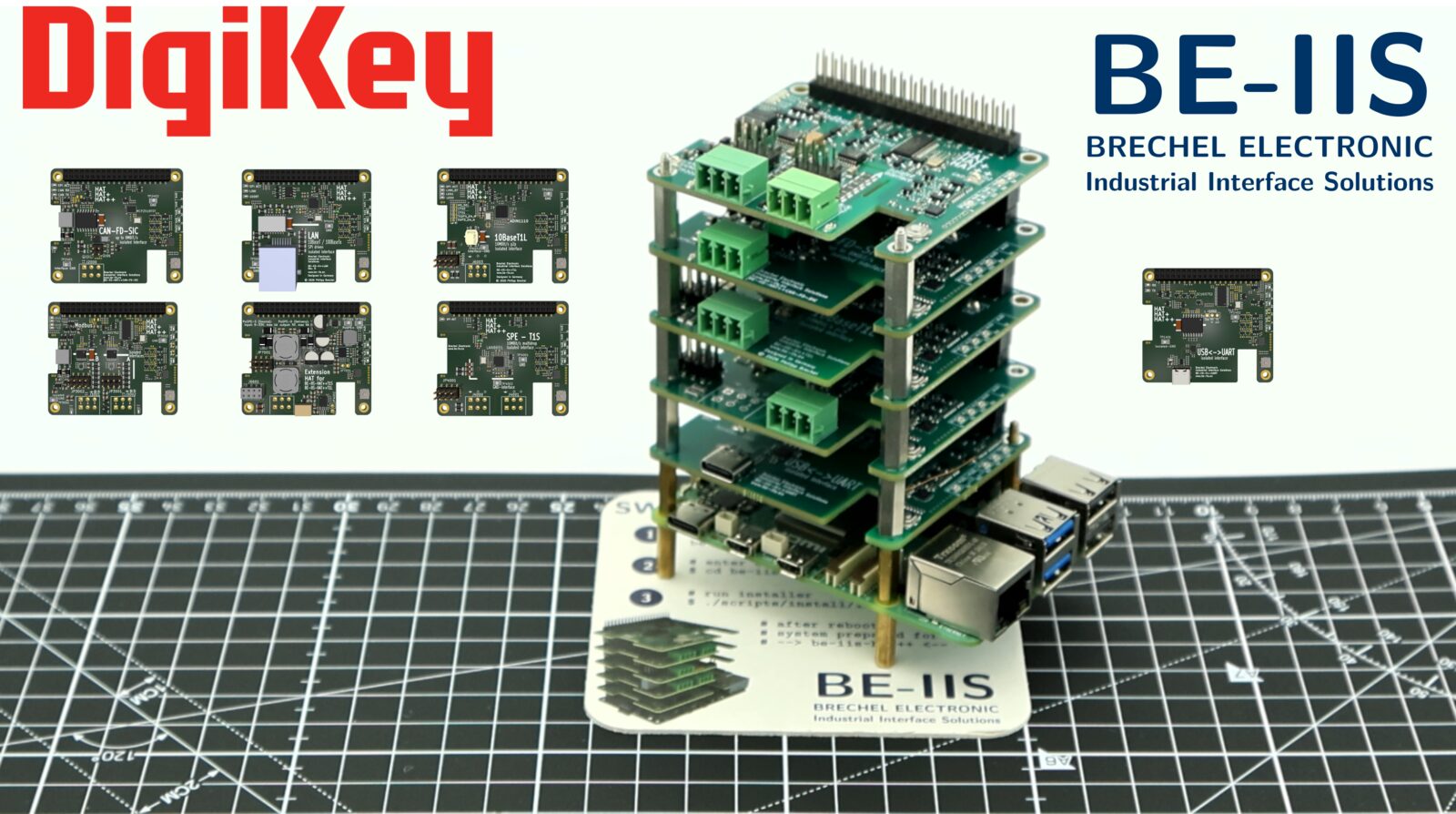
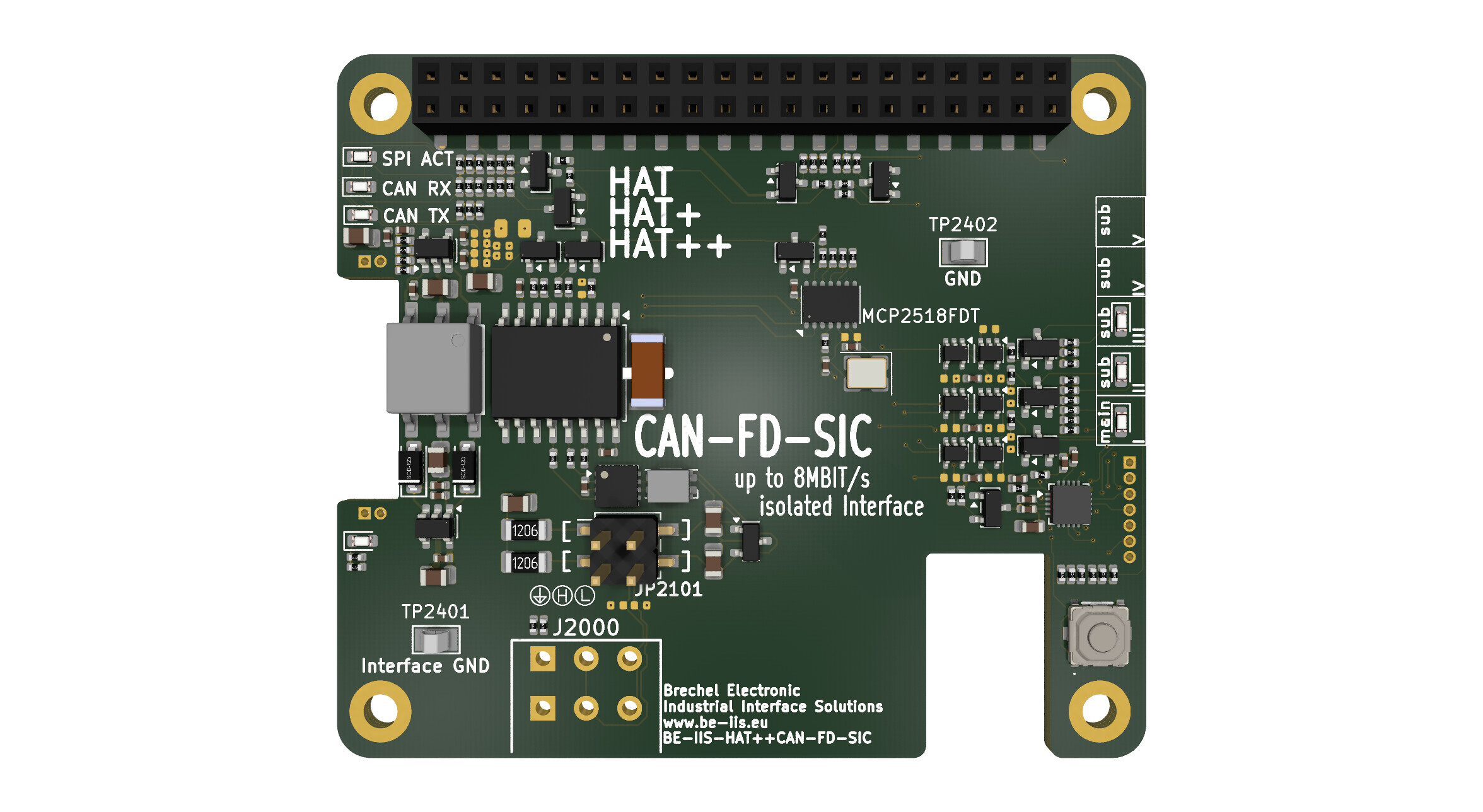
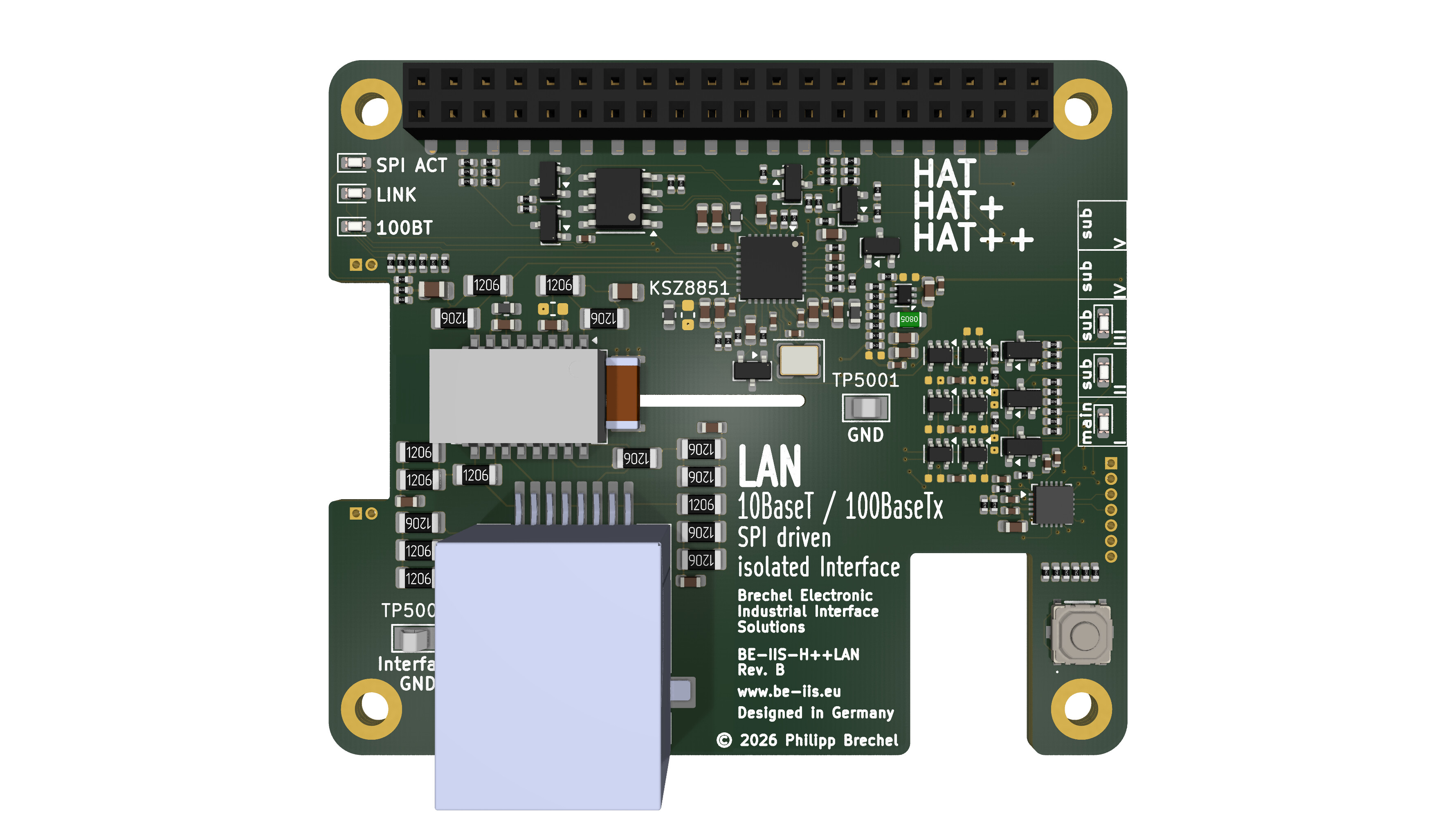
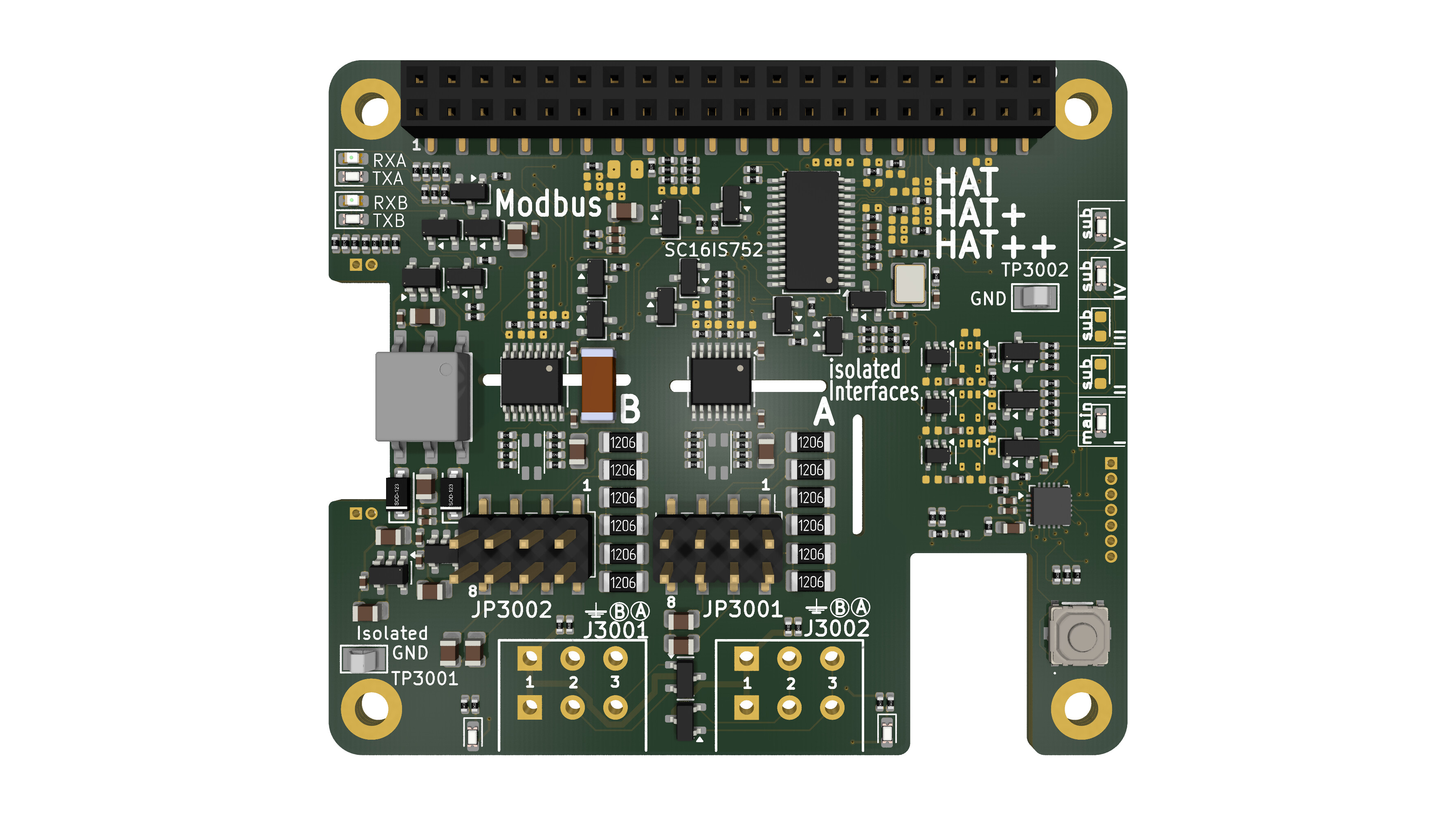
A HAT++ stack may combine Ethernet, CAN-FD, RS-485, UART and other interfaces on one Raspberry Pi. Only one board should use the primary instance mode. Additional boards use other instance modes so that every SPI, IRQ and I²C resource remains unique.
The concept is intended for gateways, protocol converters, bus analyzers, field test systems and custom embedded Linux systems.
How the Linux integration works
Without an integration layer, a hardware board needs a Device Tree overlay, a suitable kernel driver, boot-partition deployment and manual firmware configuration. HAT++ packages these steps into a repeatable product configuration.
The selected instance determines the required overlay. The driver is loaded for the controller, and udev assigns a stable application name such as beiis-t1s0, beiis-t1l0, beiis-can0 or beiis-lan0.
Why HAT++
HAT++ is intended to remove setup work that does not add value to an application:
- defined resources instead of GPIO, SPI and I²C conflicts
- reproducible integration instead of one-off manual overlays
- standard Linux interfaces instead of a vendor runtime
- open scripts and examples that can be inspected and adapted
Hardware development for Linux systems
The system architecture is designed for engineers who want to build gateways, field switches, protocol converters, test setups and customer-specific Linux systems. The aim is not to hide Linux, but to provide a clean starting point that can be understood and extended.
Portfolio overview
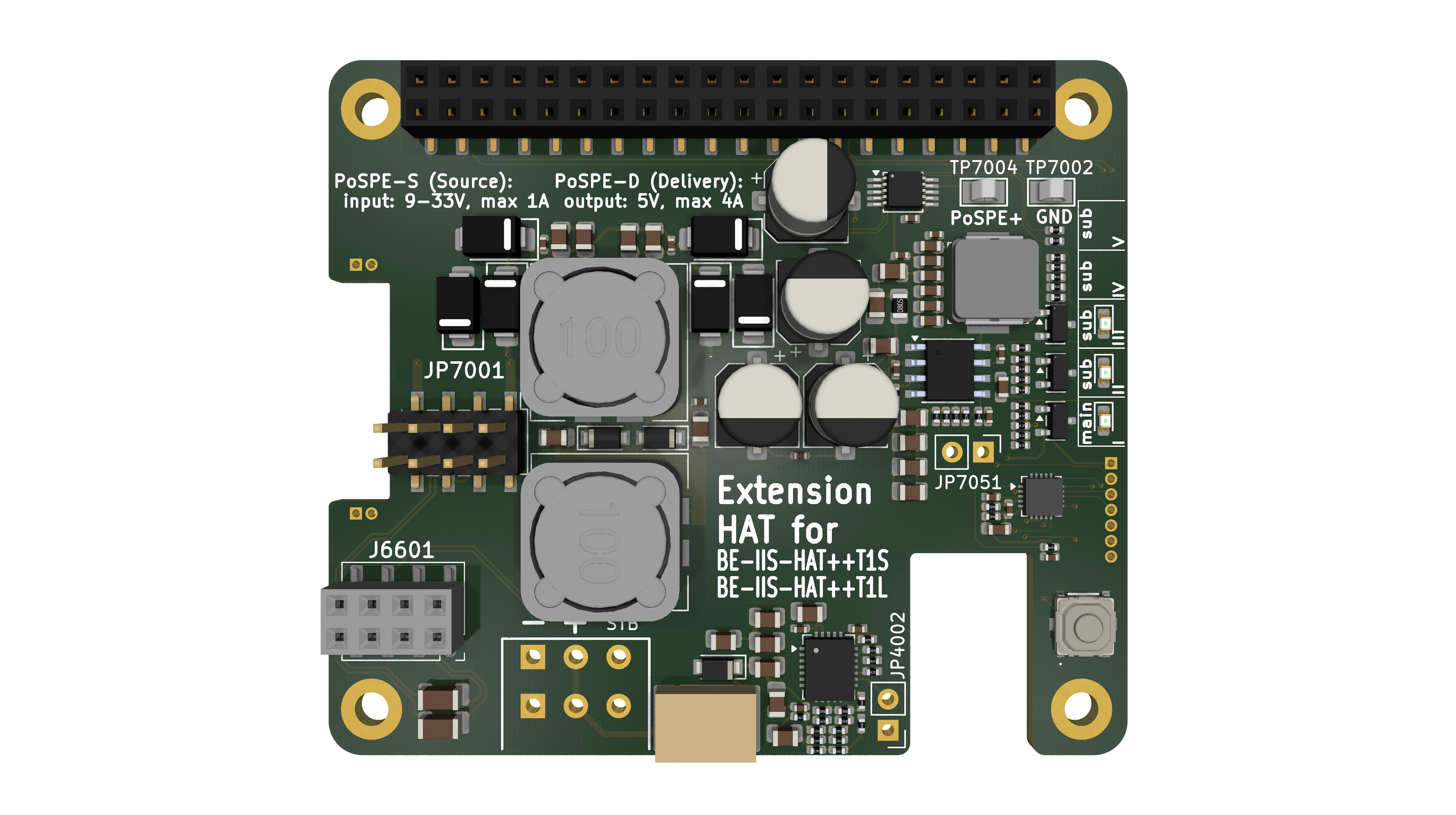
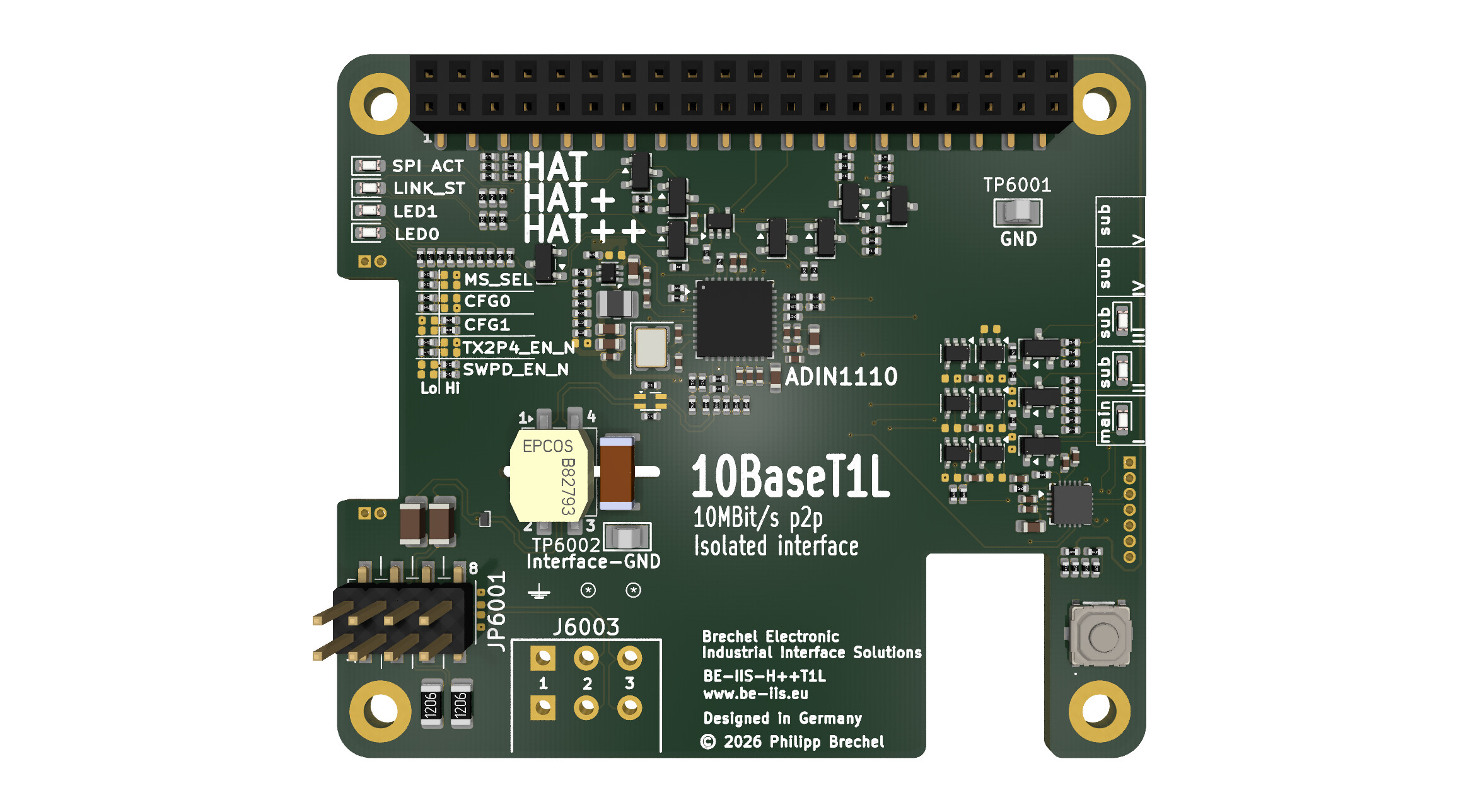
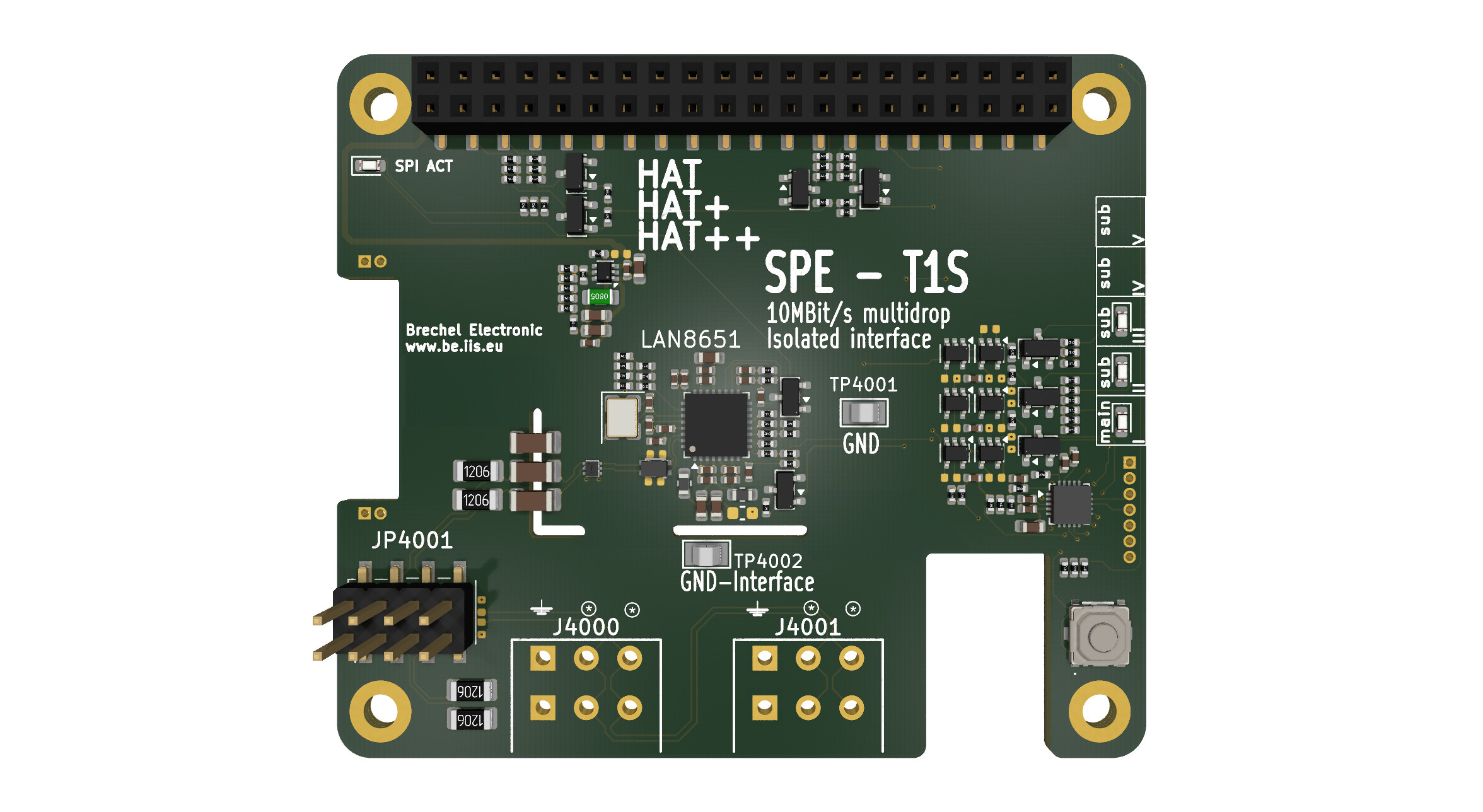
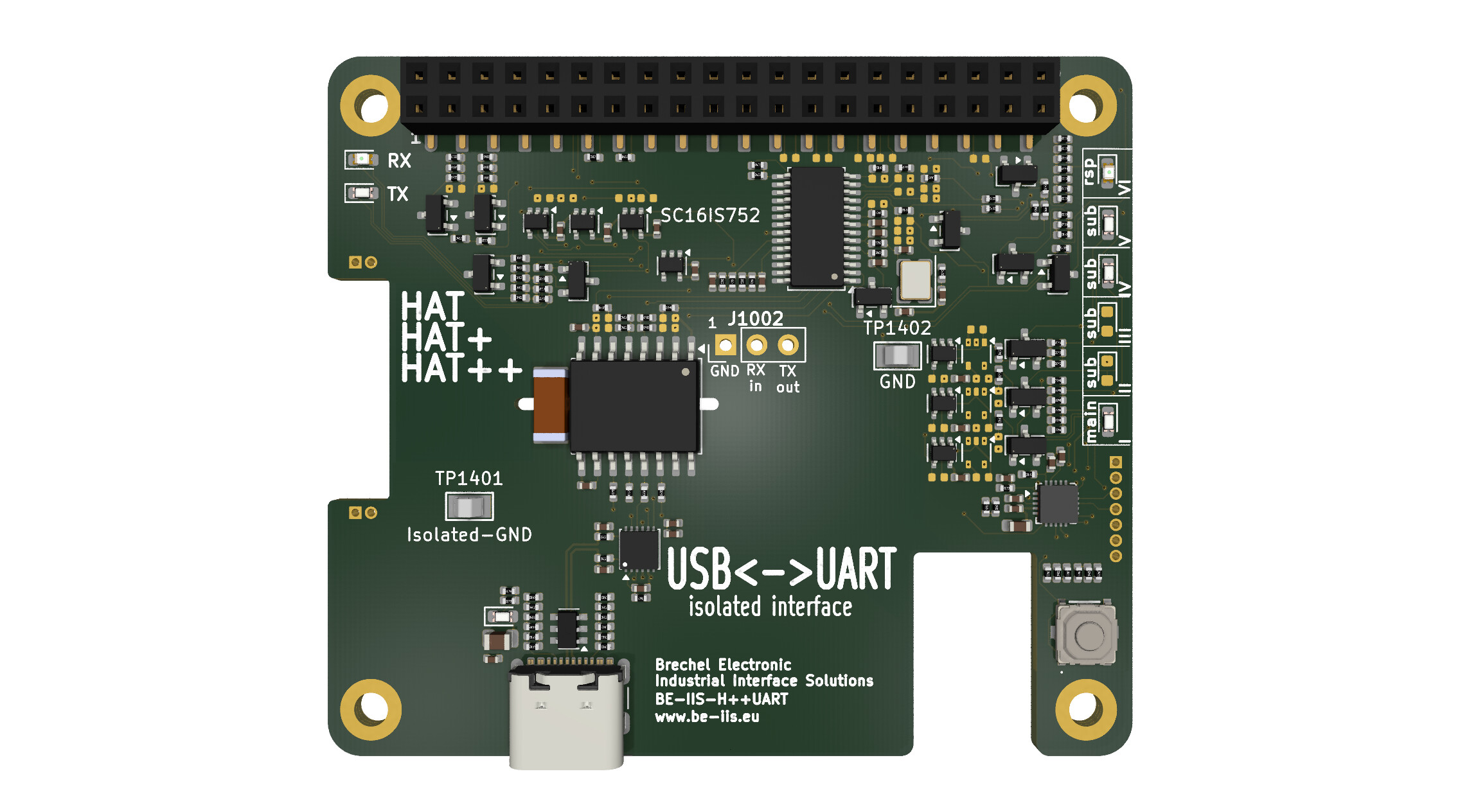
The portfolio combines Ethernet, Single Pair Ethernet, CAN-FD, RS-485 and UART interfaces. A project can start with one HAT and grow into a structured multi-interface system.
More than a HAT
A BE-IIS HAT++ is part of a complete integration package: documented hardware, reproducible Linux support, application examples and a structured route from evaluation hardware to a dedicated embedded system.
Plan a stack before installation
Use the HAT Stack Builder to select compatible HATs and assign unique HAT++ instances before installation. It is a quick way to avoid duplicate SPI, interrupt and I²C resources in a larger system.